Nelson Atkins Museum of Art
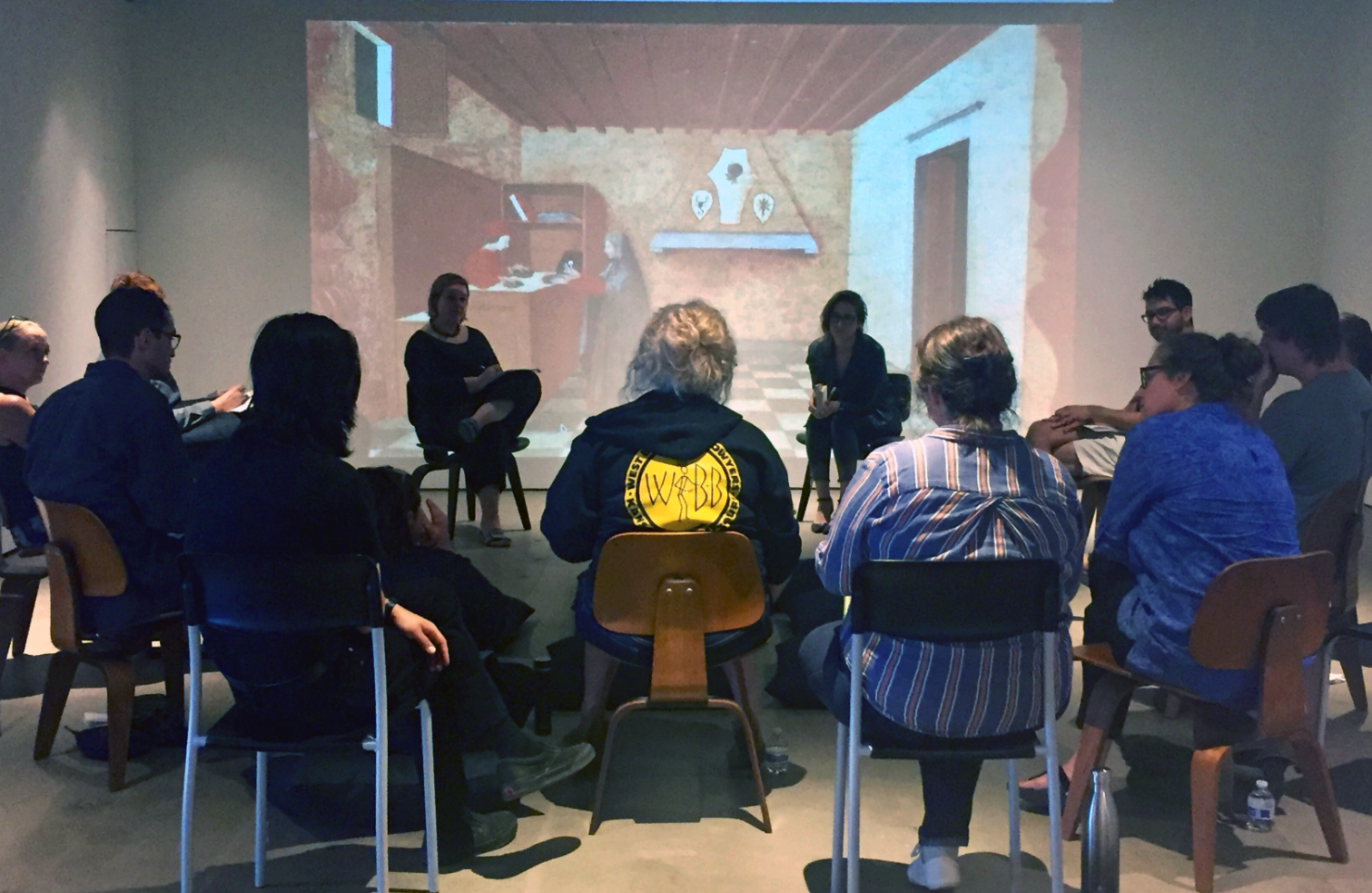
Four artists considered the contexts of queerness, citizenship, ecology, climate, capitalism, leisure, replication, and salvation in order to examine water within the politics of belonging. Utilizing performance, action, and object-making, each artist offers strategies of engagement that encourage inclusion and dialogue, while offering multiple perspectives on water as substance and belonging as status.
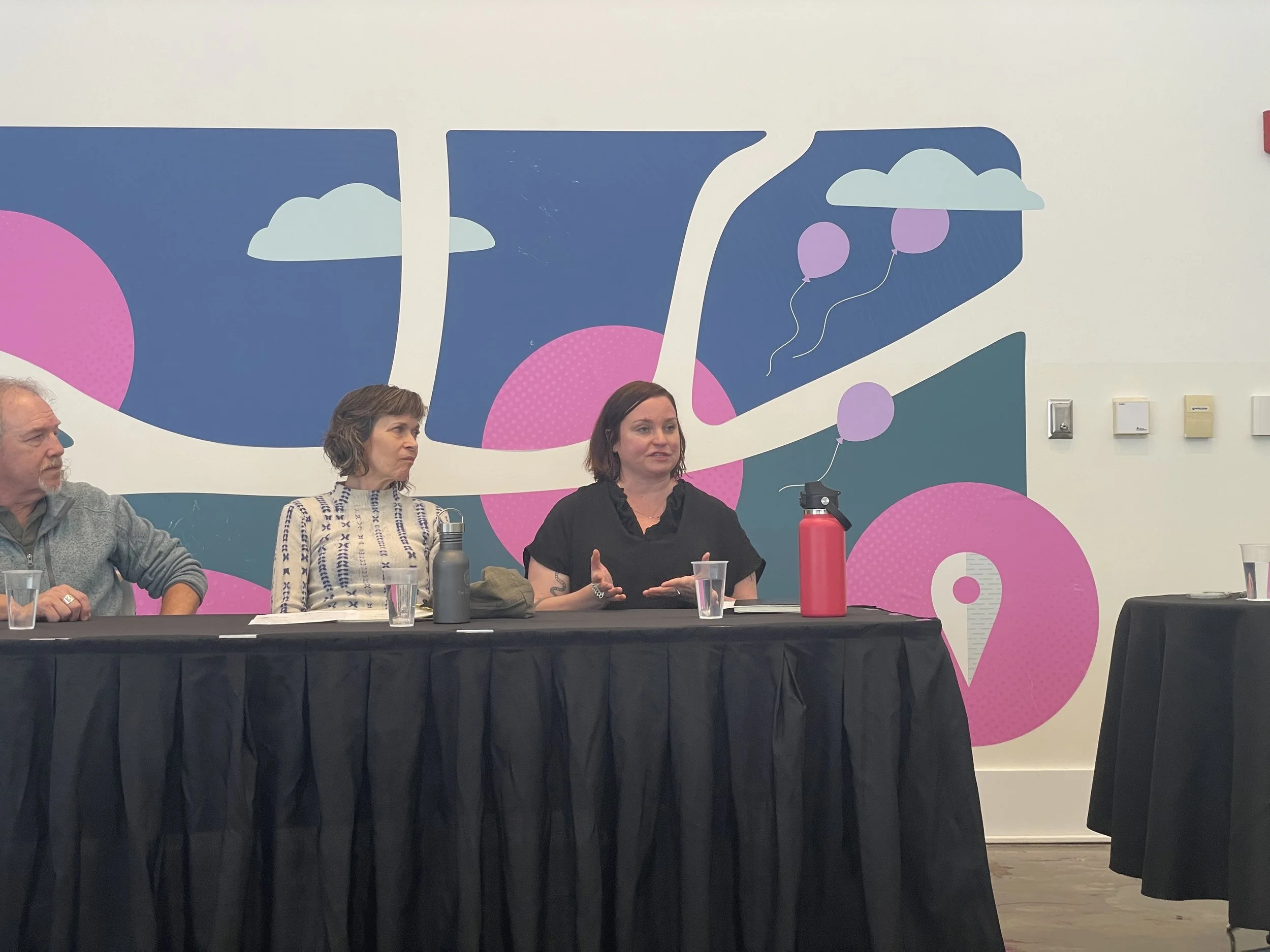
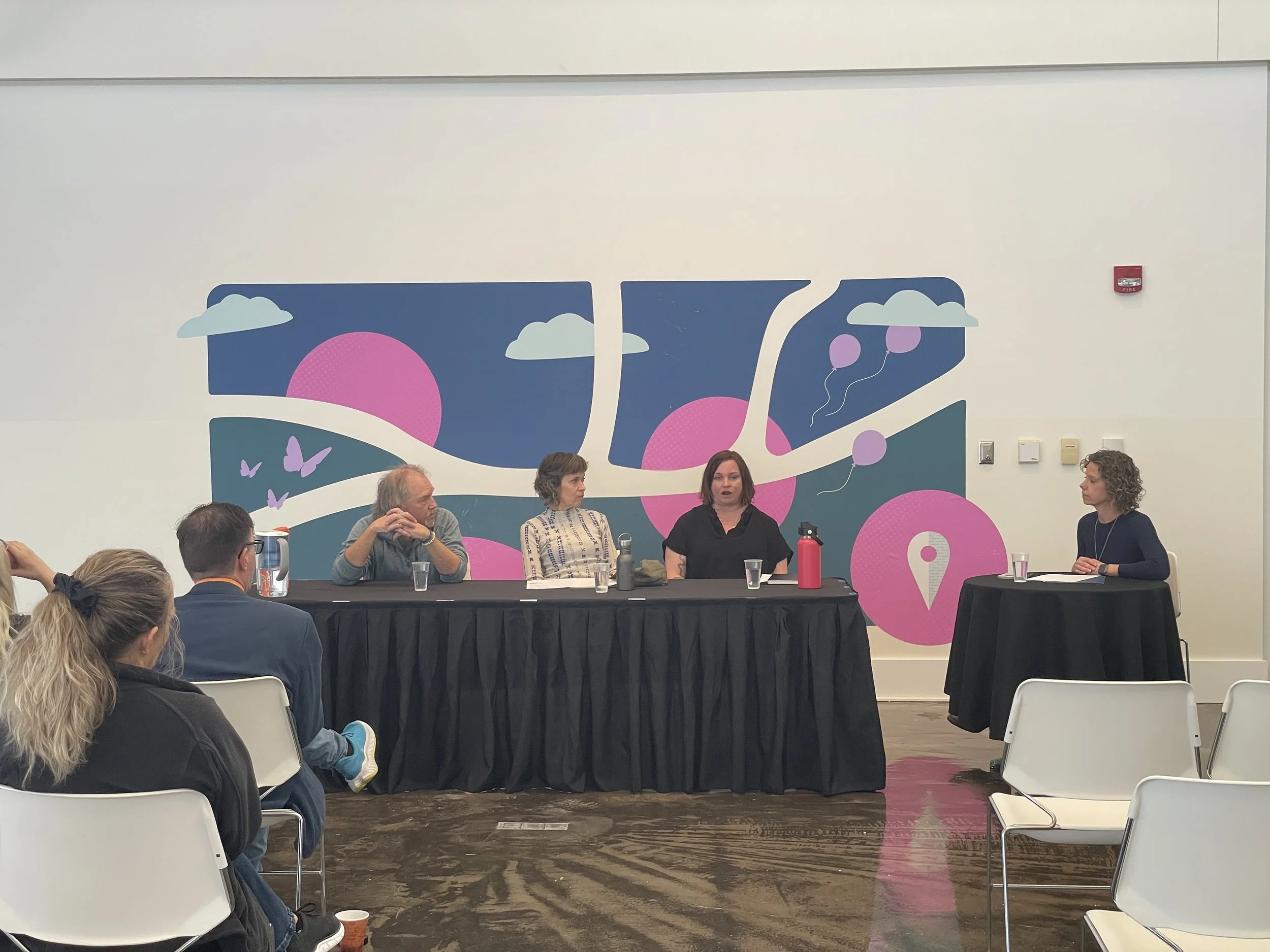
Panel Moderator: Jennifer Baker, Kansas City, MO
Panelists: Laurencia Strauss, Miami, FL; Denis Rodriguez + Leonardo Remor, Porto Alegre, Brazil; Amber Hawk Swanson, New York, NY
The panelists discussed how artists can employ objects to engage action and how one performs the act of making. As a first generation US citizen, Laurencia Strauss proposes immigrant experiences as valuable resource to imagine solutions for a population facing relocation due to sea-level rise. Strauss employs sculptural action in public spaces by offering popsicles and napkins printed with stories from previous participants in exchange for stories about place, identity, migration, and belonging. Porto Alegre is a city with a pristine river landscape that is being privatized by developers to deny public access. As an act of protest, Denis Rodriguez and Leonardo Remor’s project Water Fantasy invites participants to carry inflatable innertubes on the long walk to the closest remaining access point in order to simply spend time with water. Amber Hawk Swanson’s search for community has shaped her practice and led to projects engaging collaborators belonging to silicone sex doll forums. Her most recent project, DOLLY, will involve the casting of a life-sized penetrable silicone dolphin as an exploration of love, eroticism, seduction, objectification, violence, and captivity. This project of giving presence to the objectified has involved embodied research in saltwater sensory deprivation tanks.
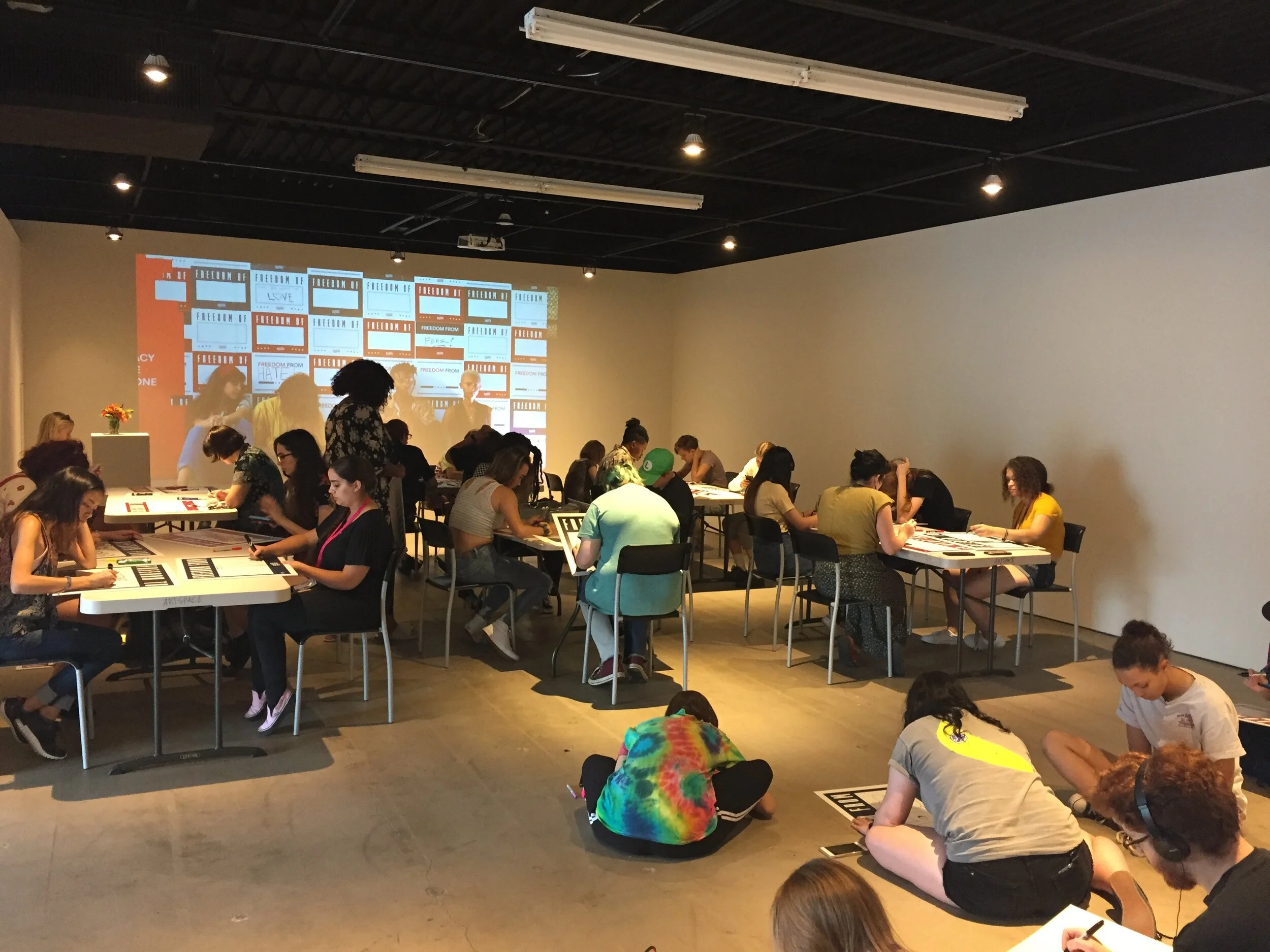
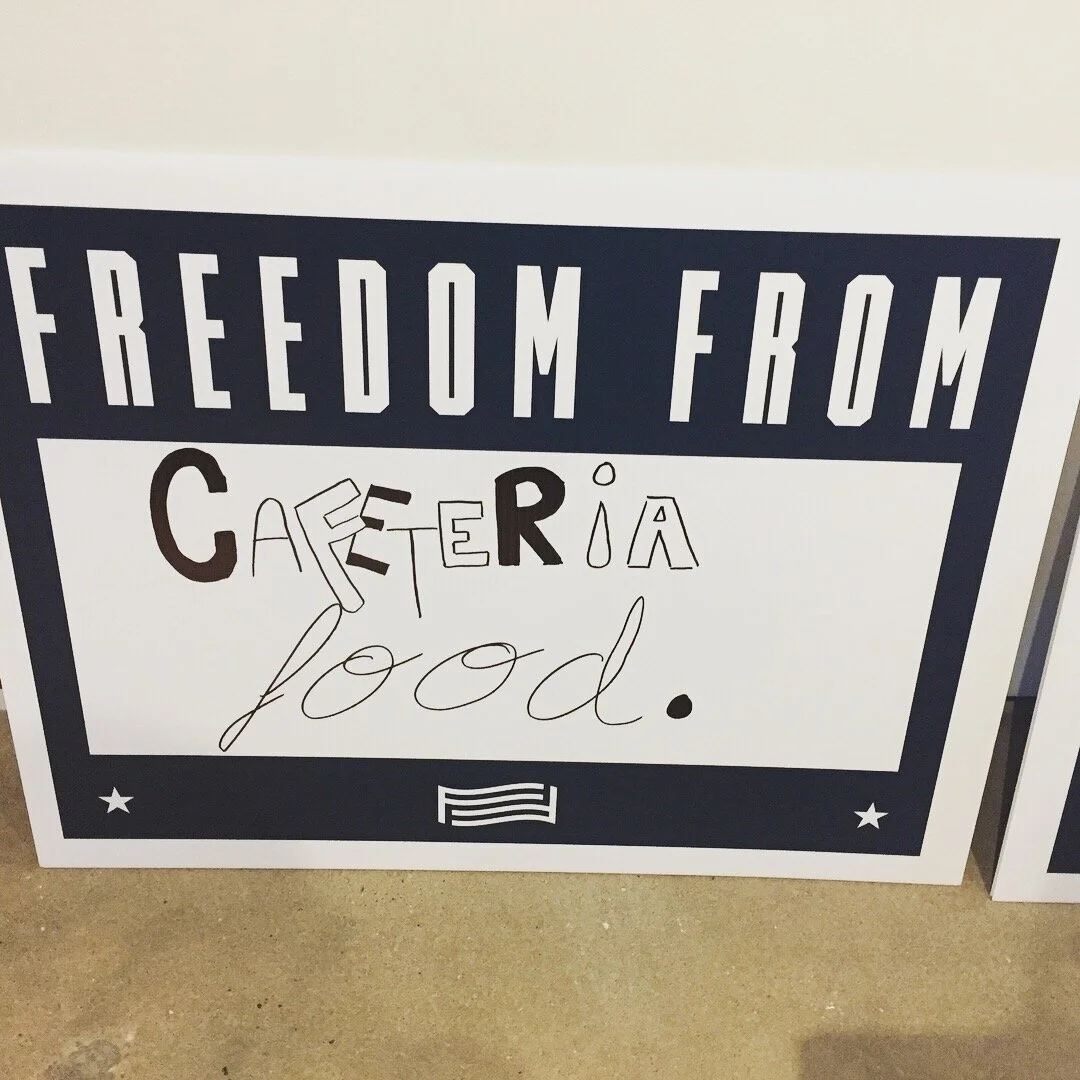
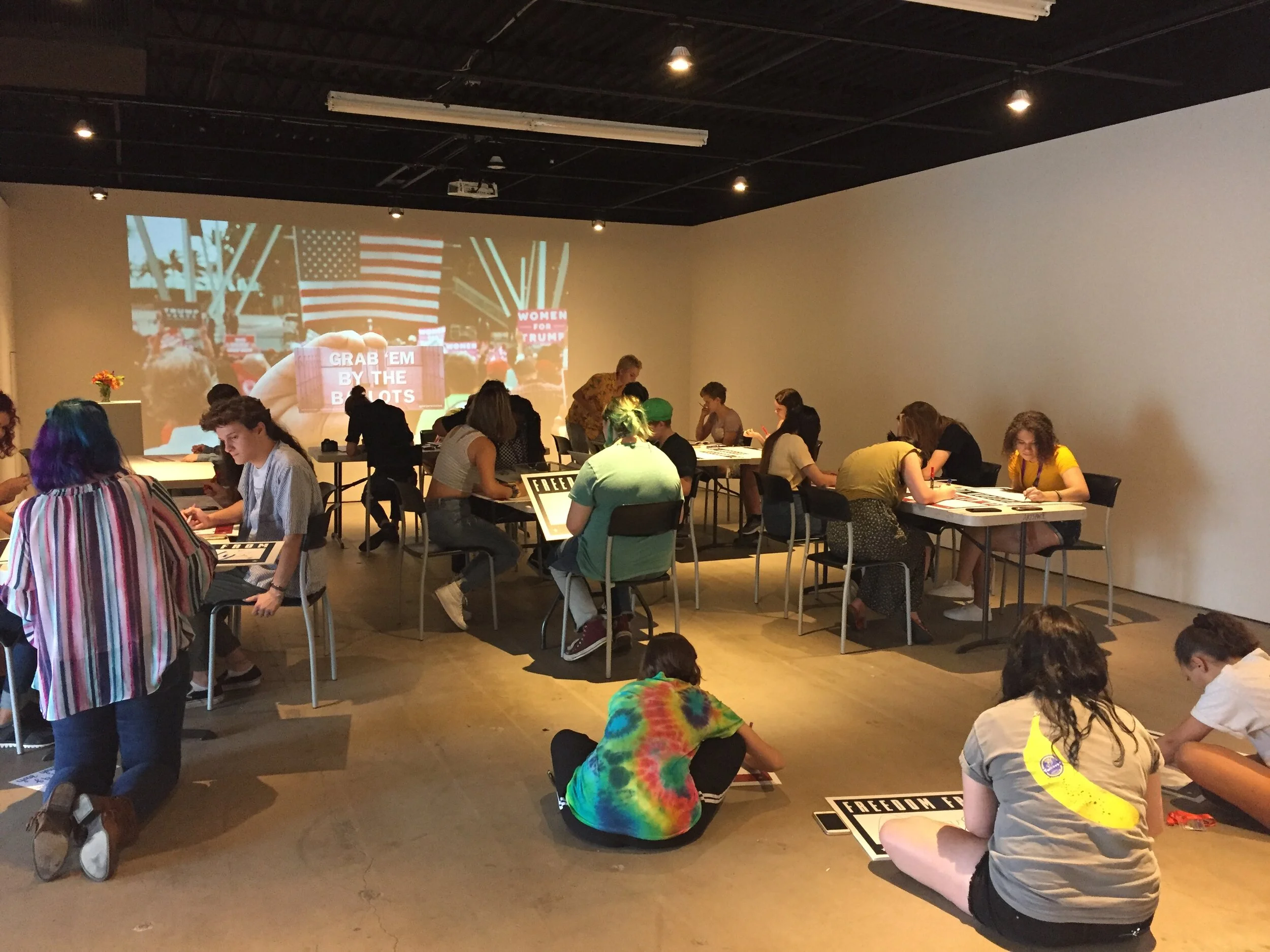
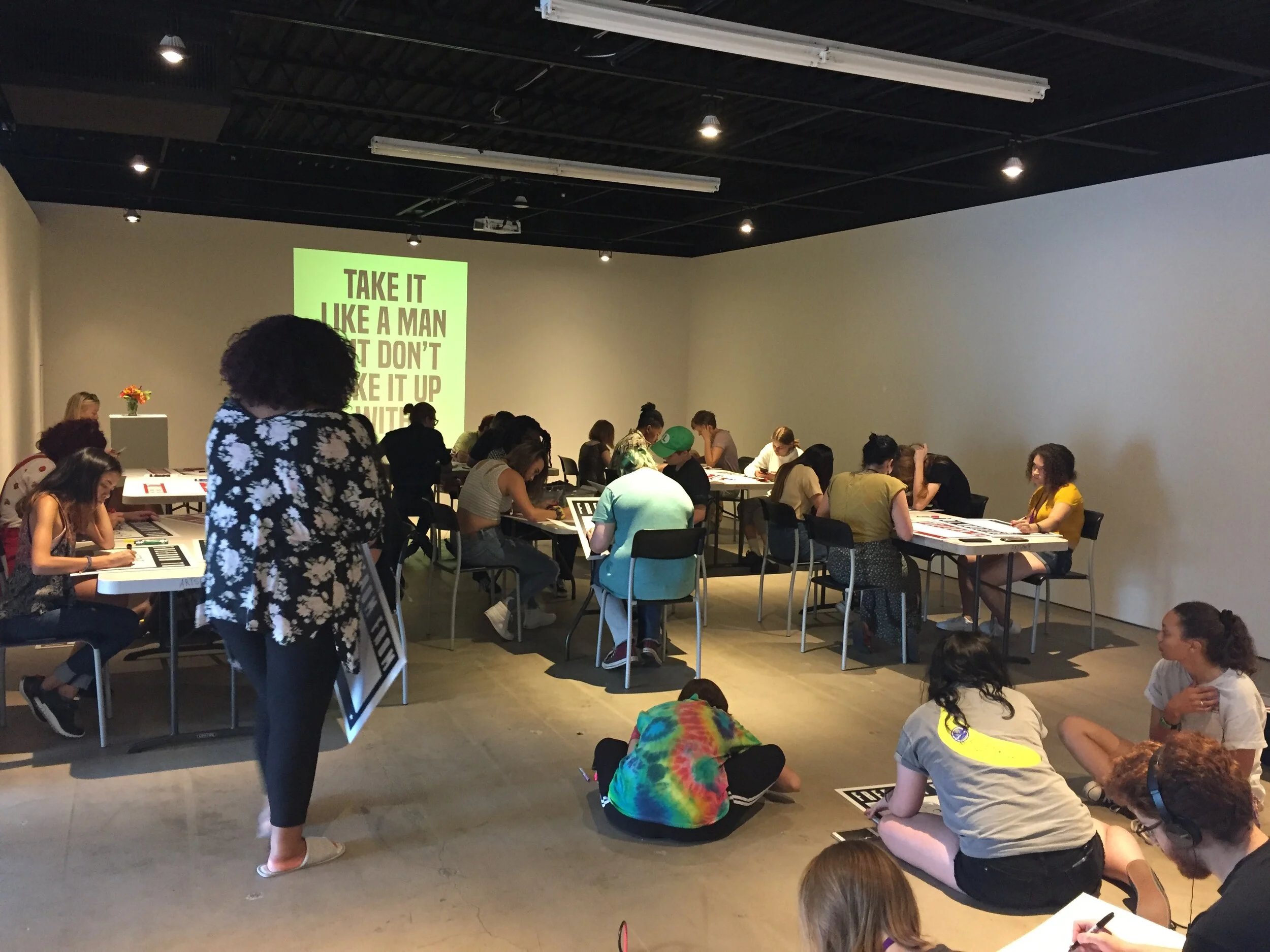
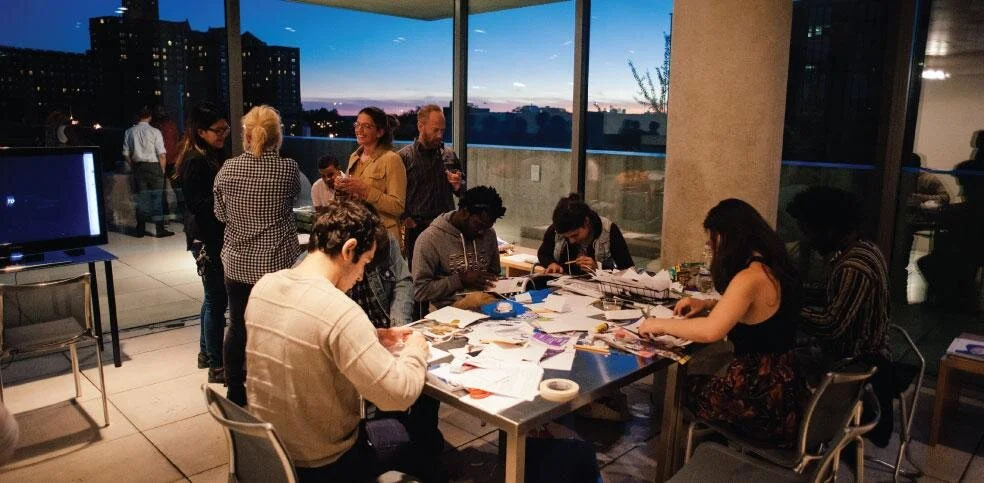
Laurencia Strauss, Leonardo Remor, and Denis Rodriguez followed their presentation with a residency in the Printmaking Department at the Kansas City Art Institute, working with students on a project examining Kansas City’s fountains in relationship to the city’s racial divide.